
Hungry Swazis take part in Islamic celebration of Eid al-Adha against the advice of Christian leaders
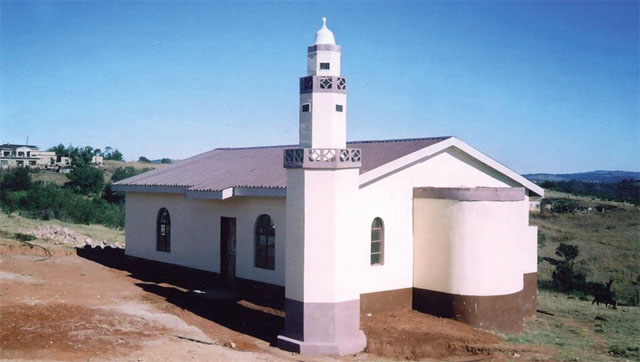
Swazis took part in the celebration of the Eid Al-Adha on Tuesday despite objections from their Christian leaders. The Swazis lined up at the Ezulwini Islamic Centre at the invitation of Muslims who promised to give away free packets of meat.
Bishop Simon Hlatjwako, president of the League of Churches, claimed that those who participated in the festival and ate the free meat are not true Christians.
"True Christians should not dare set foot at the Muslim slaughtering ceremony," said Hlatjwako to The Times of Swaziland. "Personally, I would not even bother myself; I do not care about their meat and ceremonies. Muslims worship their own god and as Christians, we do not go along with their god," he added.
Bishop Steven Masilela, president of the Conference of Churches, stated that Christians who are considered as the body of Christ are not allowed to eat everything.
The Islamic Centre gave away at least 300 parcels of meat. About 200 people left empty-handed because there was not enough food to go around for everybody. Luqman Asooka, the imam of the Islamic Centre, asked them to come back the next day.
"This is not a show-off, we are following the Islamic teaching, which say if we have something good, we have to share it with the needy," Asooka told the Swazi Observer.
"We felt like we had extra meat and instead of throwing it away, we saw it right to share with the need, we shared with everyone, even some government officials," he continued.
Eid al-Adha or Feast of the Sacrifice, commemorates the day when God commanded Abraham to sacrifice an animal instead of his son. Saudi Arabia declared Sept. 12 as the start of the festival, which usually lasts four days.
According to the CIA factbook, about 10 percent of Swazis are Muslims. 40 percent are identified as Zionist, which is said to be a blend of Christianity and indigenous religions. 20 percent are Catholics while the remaining 30 percent are Anglican, Baha'i, Methodist, Jewish and Mormon.


