
Christian leaders in Damascus call for an end to Syria sanctions
Patriarchs of three different denominations in Damascus recently made a plea to the international community to lift the sanctions on Syria. The appeal stated that the impact of the sanctions have been increasingly felt by the Syrian citizens, especially the poor.
The appeal was signed by John X of Antioch of the Greek Orthodox Church of Antioch, Gregory III Laham of the Greek-Melkite Catholic Church, and Mar Ignatius Aphrem II of the Syrian Orthodox Church, AsiaNews reported.
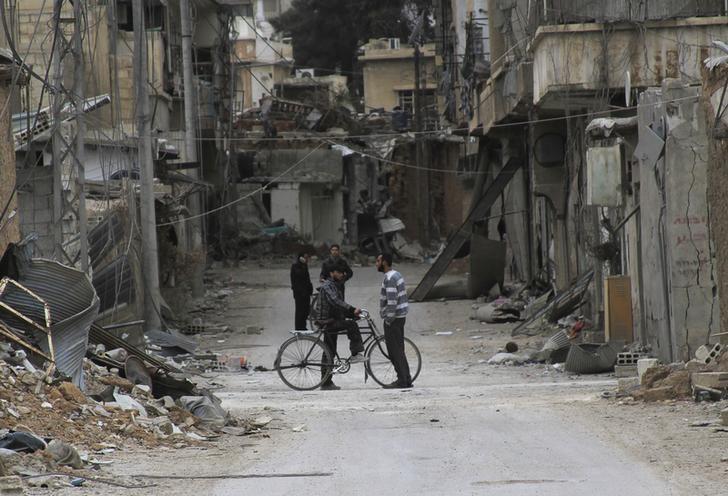
The patriarchs criticized that the ban on international flights to Syria, the blacklisting of Syrian companies, the shutdown of the Western embassies as well as the ban on international banking. They argued that these restrictions only led to the country's isolation from the international community.
"The ban on international banking transactions with Syria puts the people in a financial difficulty. It impoverishes the citizens and threatens them in their daily bread and deprives them of their human dignity," said the patriarchs in their statement.
"Despite the resolution of the Syrian people in the face of the crisis, the social situation is getting worse and the poverty and suffering of the Syrian people are constantly increasing," they added.
The patriarchs stated that lifting the sanctions will "facilitate the work of our ecclesial and humanitarian organizations in conferring humanitarian aid and delivering medicine and medical equipment."
More sanctions could be imposed by the U.N. against Syria after it concluded that the Syrian government was responsible for two toxic gas attacks.
In 2013, The U.N. Security Council created a resolution that would implement measures under chapter seven of the U.N. Charter in the event that Syria uses chemical weapons. This segment dealt with sanctions and authorization of military force by the Security Council.
Last May, the European Council extended the E.U. sanctions against Syria until June 1, 2017. According to its website, the sanctions involve an oil embargo, restrictions on certain investments, the freeze of the assets of the Syrian central bank within the E.U. and restrictions on the export of certain equipment and technologies.


